131 books available
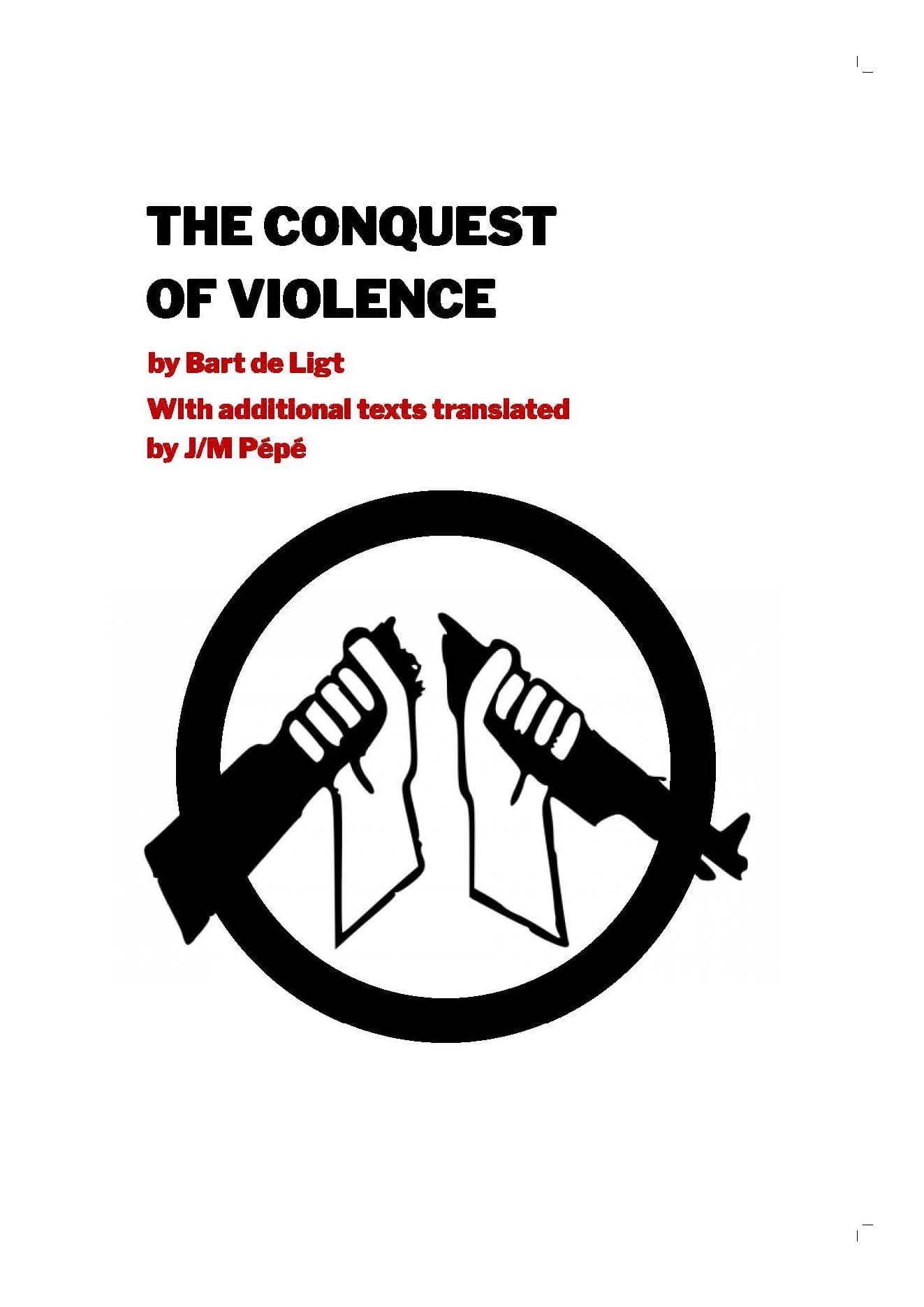
Bart De Ligt
With additional texts translated by J/M Pépé this timely new edition of The Conquest of Violence appears at a crucial time for the global working class, anarchist and anti-militarist movements. As war and militarism increase exponentially de Ligt's work can provide guidance and suggestions for consistent anti-militarist action. "Without war, or at least the threat of war, capitalism does not work. The modern state rests on militarism. The ruling class could not maintain its power and its exploitation of the working masses without the army, the police, and the prisons. The absolute refusal of military service is the most effective and the most sublime form of direct action." Bart de Ligt. "The social revolution means nothing if it is not a battle for humanity against all that is inhuman and unworthy of man [sic]. That is why we have always asserted that the more there is of real revolution, the less there is of violence: the more of violence, the less of revolution. At the very most, violence may be a secondary help in the course of a revolutionary movement." Bart de Ligt, The Conquest of Violence: 301.
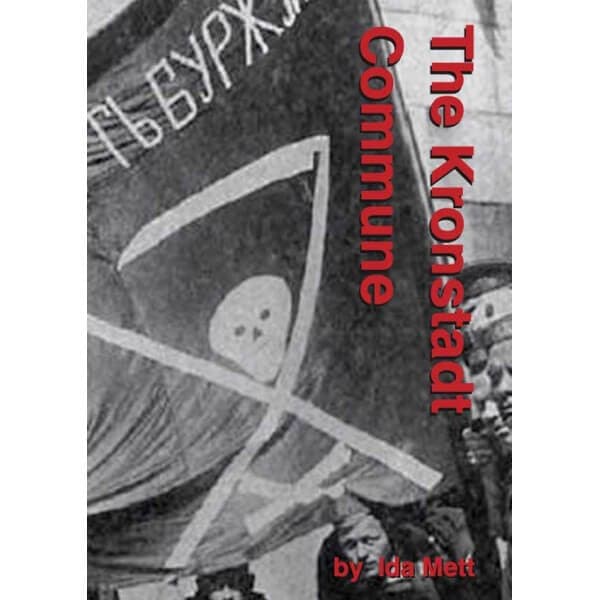
Ida Mett
Still considered one of the best histories of the Russian revolutionary failure and the Kronstadt uprising.
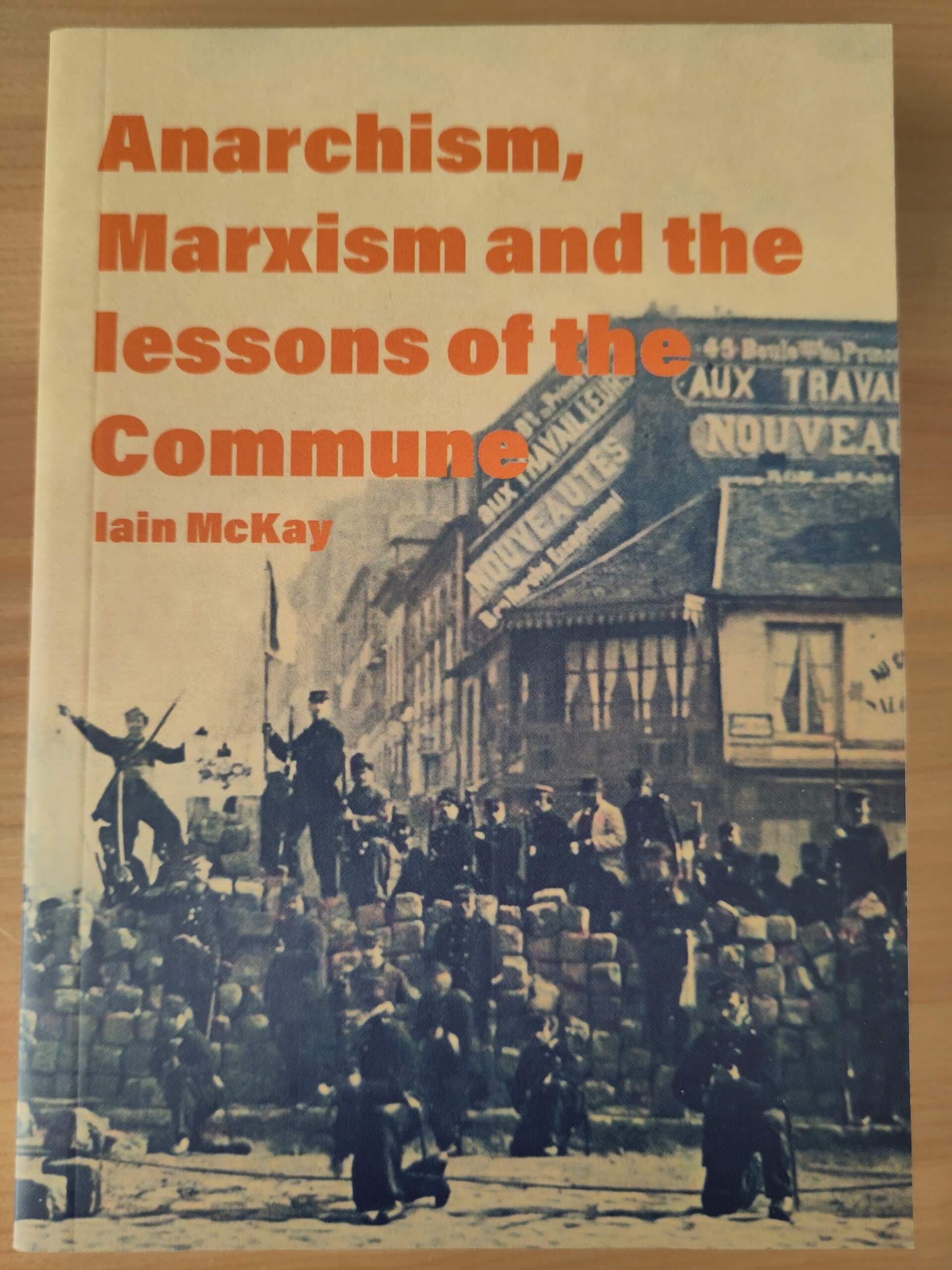
Iain McKay
Iain McKay re-examines the Paris Commune and delivers a broadside against ideological claims made by authoritarians on the “left”.
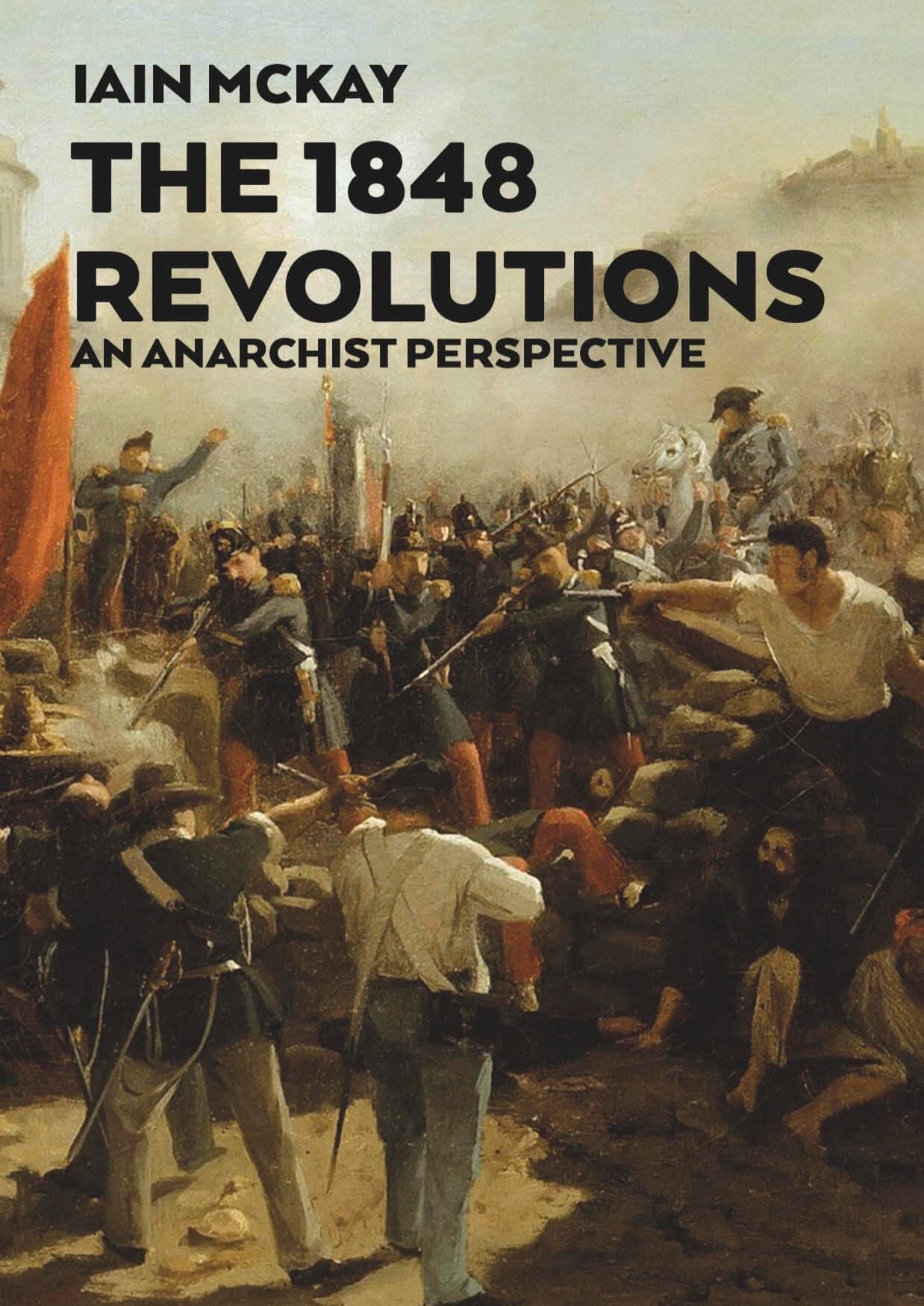
Iain McKay gives his opinions on the forgotten revolution in France
Peter Kropotkin
Kropotkin’s speech on how ethics could develop by means of natural selection. A new translation by Iain McKay
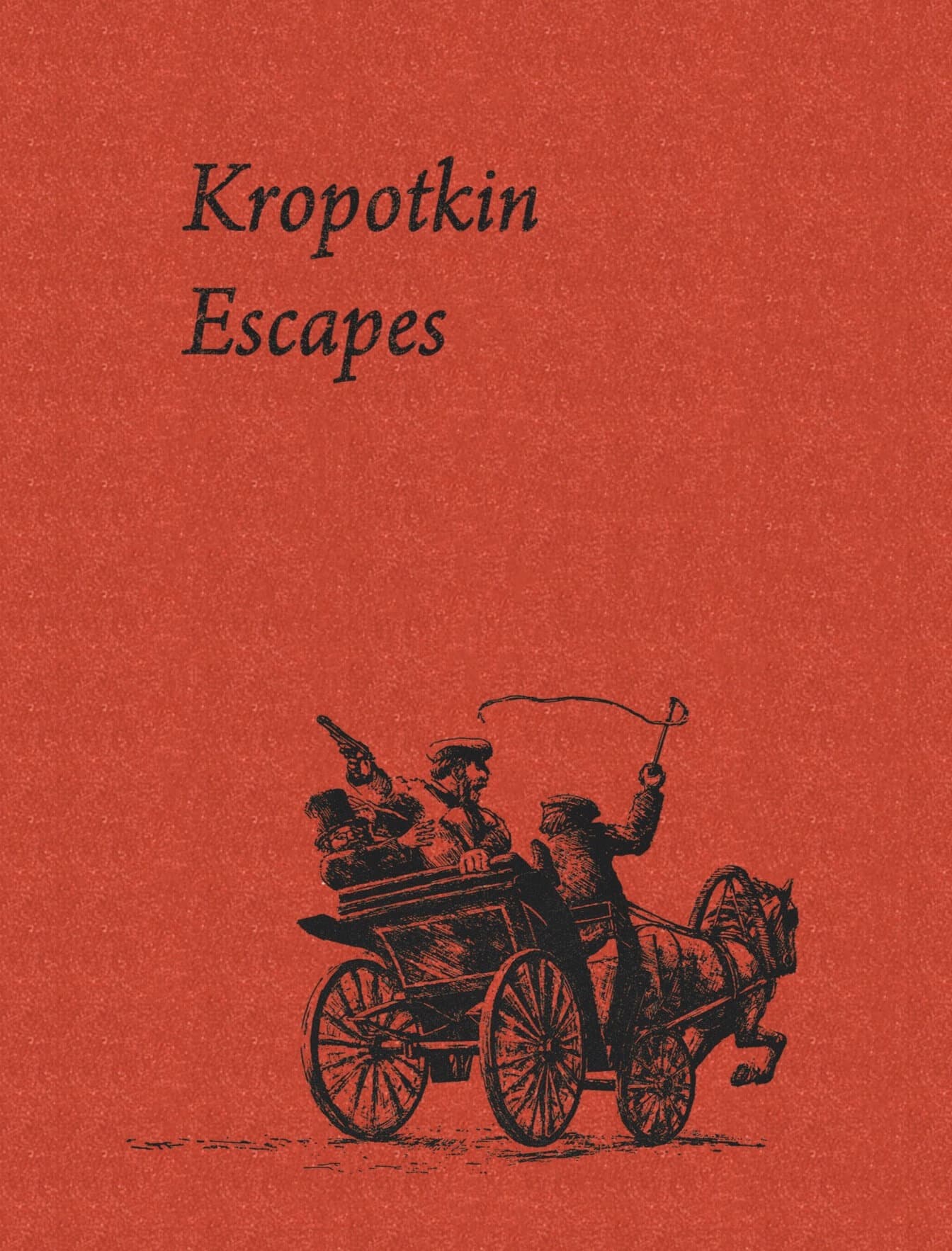
In his own words, how Kropotkin absconded from a russian prison, in 1876.
Peggy Kornegger
Peggy Kornegger introduces feminists to anarchism: and provides a still-relevant critique of contemporary liberal/capitalist feminism.
Emma Goldman
Written a century ago, Emma Goldman’s essay retains its power and relevance today.
Two of Emma Goldman’s essays - covering relationships - institutionalised and free.
Peter Gelderloos
Peter Gelderloos explores why the strategies that mainstream environmental movements are employing are failing—and what we could be doing instead.
A6 pamphlet of Emma’s famous essay, alongside “A New Declaration of Independence”.
Dysophia 0
An introduction to the basic tenets of green anarchism, setting out the principles and showing how they are put into practice.
Alexander Dunlap
Written by Alexander Dunlap, this text critiques the work of Andreas Malm
Brian A. Dominick
An A6 pocketbook that examines liberation of both humans and animals.
Guy Debord
Pocket size version of the comments on the classic situationist text.
CrimethInc.
A pocket book description of the attacks by the Bolshevik state against the revolutionaries and people of Russia and a look at the anarchists of the time.
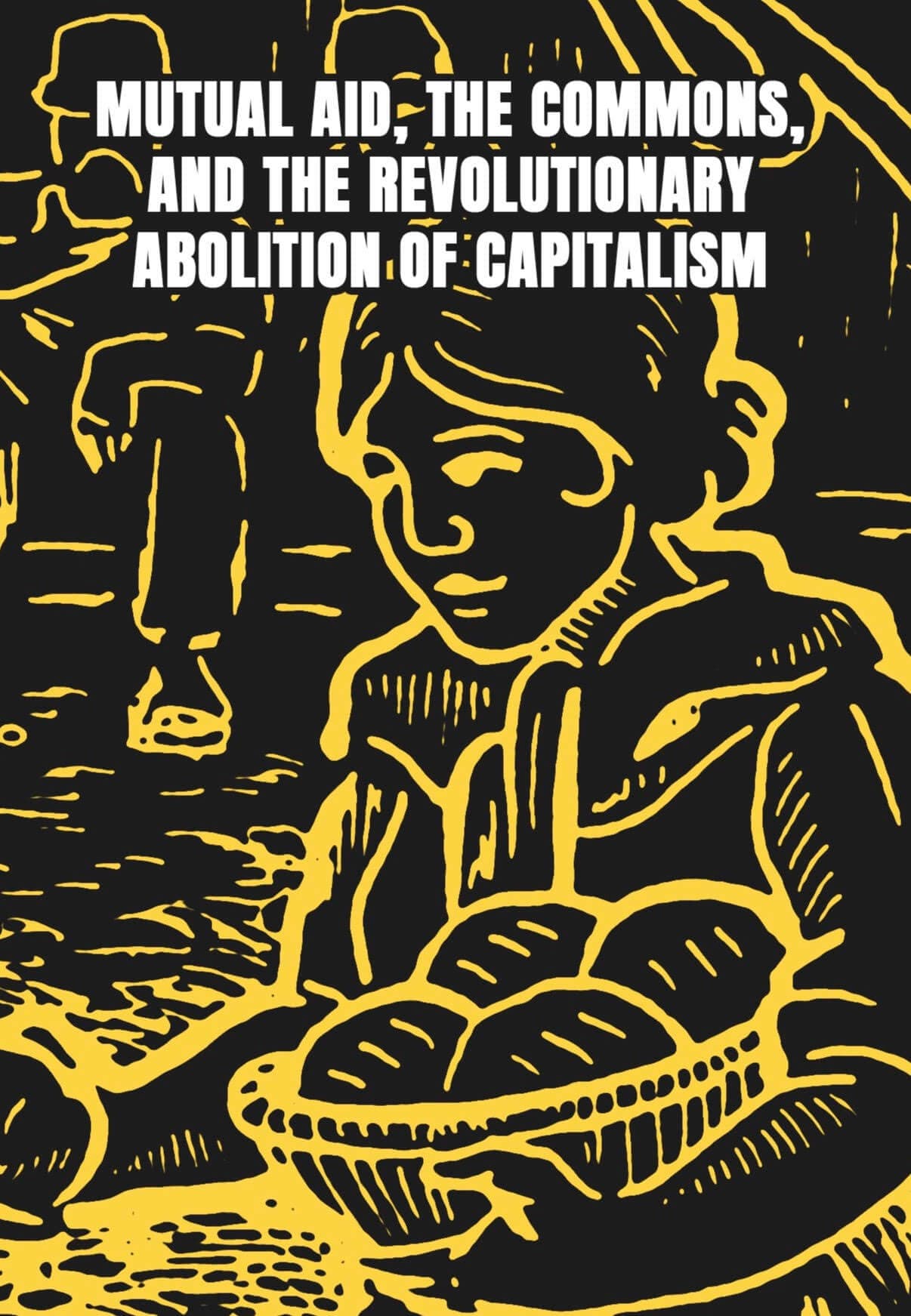
Revisiting the difference between mutual aid and charity, this pamphlet explores what mutual aid has to do with revolution.
Noam Chomsky
A small pamphlet wherein Noam Chomsky is interviewed by Kevin Doyle, of the now defunct Workers' Solidarity Movement, at Red & Black Revolution – in 1995.
A pocket-book revised version of the introduction to Daniel Guerin's "Anarchism From Theory To Practice."
Chaz Bufe
There are many popular misconceptions about anarchism, and because of them a great many people dismiss anarchists and anarchism out of hand. Misconceptions abound in the mass media, where the term "anarchy" is commonly used as a synonym for "chaos," and where terrorists, no matter what their political beliefs or affiliations, are often referred to as "anarchists."
Bob Black
Work is the source of nearly all the misery in the world. Almost any evil you could care to name comes from working or from living in a world designed from work. In order to stop suffering, we have to stop working.
Numerous
First of all, we get it, Chomsky has been important. He might have been your gateway drug to radicalism. He has written vast amounts about the terrifying realities of U.S. imperialism, the Israeli occupation of Palestine, the threat of nuclear war, or the surveillance state, there are many useful books published with Chomsky’s name on them. His small publication “9/11,” published in 2001, in which he calls the United States “a leading terrorist state” sold hundreds of thousands of copies and damns the militant response to 9/11 by the U.S. That booklet played a major role in shaping people’s perspectives on the world-shifting emergencies of that decade. Of course, there is also “Manufacturing Consent,” co-authored with Edward Herman, a book that remains almost biblical as a resource for understanding media as a means for selling wars of empire. So what could be the problem?
Unknown
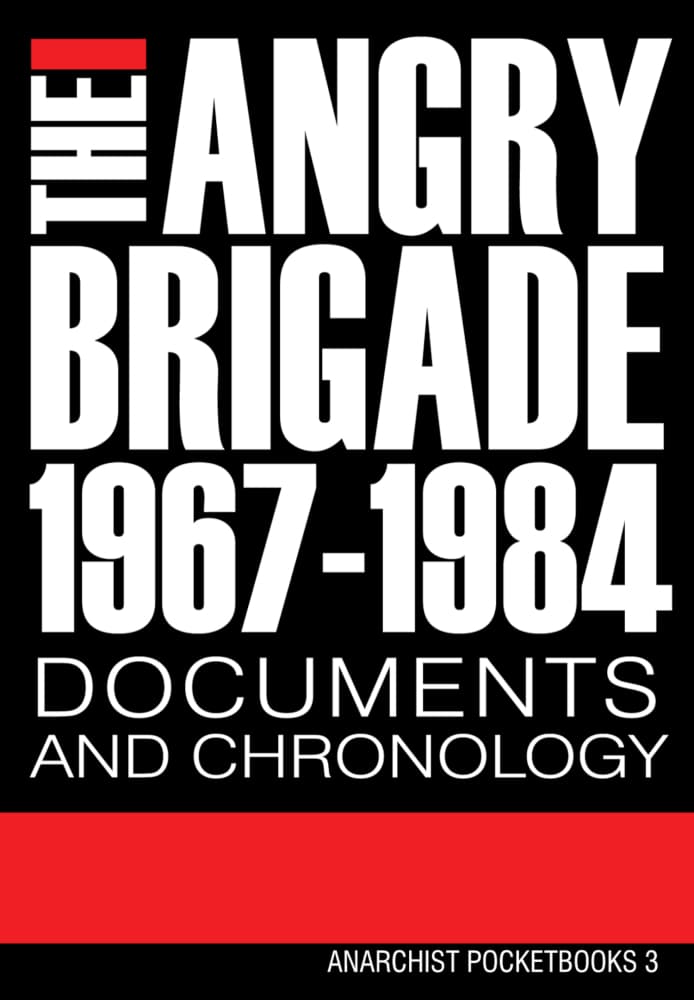
One of the main criticisms of the Angry Brigade was - and still is - that their actions unleashed a wave of repression against the Left in Britain. But the fact that until then the Left had been left relatively undisturbed does mean that repression did not exist, and is not being enforced in every moment of the day in every sphere of proletarian life. Whether this repression uses its instruments of war (police, rubber bullets, lead bullets, tanks, etc) depends on the level the struggle is at beyond the official instruments of defence (trade unions, parties), and which in reality are part of the 'kid glove' side of repression along with the media and the church. However small, however insignificant it may seem, any action which disregards the rules, which does not seek a mediator, which excludes the logic of dialogue, is a potential danger to the status quo, not only of the State and the capitalists, but also of the offical workers' movement.
Our rulers claim to be protecting us from each other. Actually they are more interested in protecting themselves and 'their' property from us. There is probably more rubbish talked about anarchism than any other political idea. It has nothing to do with a belief in chaos, death or destruction. Anarchists do not normally carry bombs, not do they all believe in exactly the same things but they do have some common insights in to what is wrong with the status quo. Read on to find out what some of those insights are.