80 books available
Philipp Gassert & Martin Klimke
Philipp Gassert teaches modern history at the University of Heidelberg in Germany and is DAAD visiting Associate Professor of History at the University of Pennsylvania. Formerly a research fellow at the German Historical Institute in Washington, D.C., Martin Klimke is the associate dean of humanities and associate professor of history at New York University, Abu Dhabi.
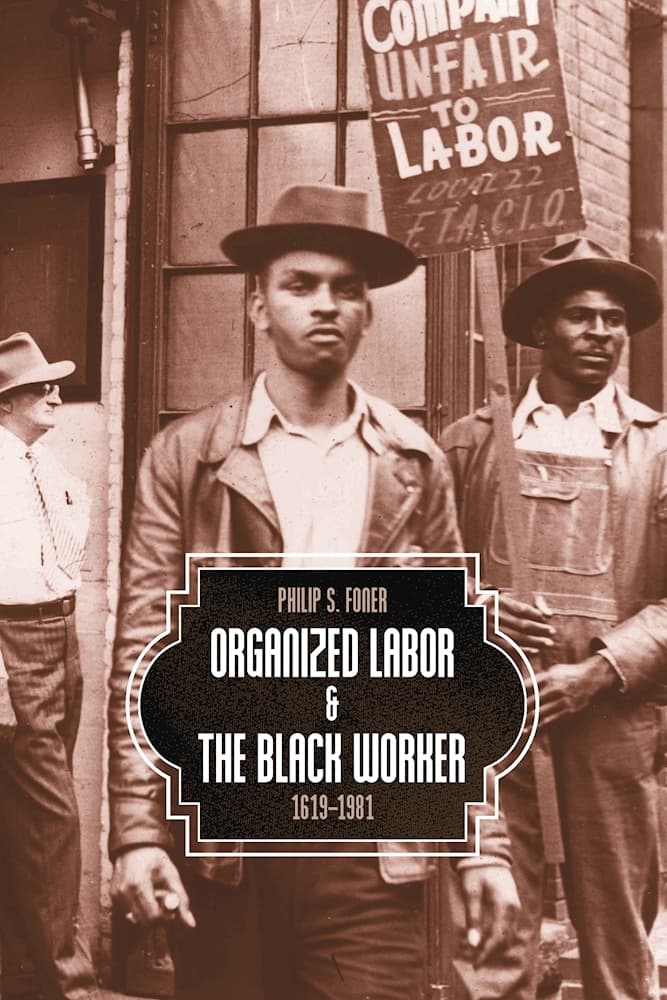
Philip S. Foner
In this classic account, historian Philip Foner traces the radical history of Black workers' contribution to the American labor movement.
Neil Davidson
An abridged version of the author's 2012 work of the same title, limited to the last part, "The Specificity of the Bourgeois Revoltuion."
Ralph Darlington
Traces the entwined international legacy of revolutionary syndicalism and the communist movement. --From publisher description.
Benjamin Dangl
How history--spoken, written, visual, broadcast, and shared--has supported five centuries of indigenous Bolivian resistance.
David Correia
An eye-opening narrative of the Great Anthracite Coal Strike of 1902, showing how the strike--and the violent backlash that ensued--reveal the genesis of modern policing. In the early years of the 20th century, in the coalfields of eastern Pennsylvania, nearly 150,000 miners took part in one of the most critical events in the history of US labor organizing. The brutal response by the state of Pennsylvania-as well as the federal government-inaugurated the structure and power of policing that we know today. In this gripping account of the Great Anthracite Coal Strike of 1902, scholar and activist David Correia takes readers through the story of the United Mine Workers of America, their struggle against systems of private policing--which were present in practically every industry in the US--and the development of public, professionalized, state-sanctioned and state-serving police. The demands of their strike included shorter work days, higher wages, and safer conditions in the deadly mines. However, their labor was crucial to westward expansion, colonial occupations in the Caribbean and the Philippines, and many burgeoning industries in the US. To keep the fires of capitalism burning, industrialists prodded the state and federal governments to intervene. Together, they established the first uniformed police force of its kind, a model soon emulated in other states.
Gerrard Winstanley
At the end of the English Civil War, Gerrard Winstanley and his comrades, known as Diggers, went to St. George’s Hill, to farm the common land and to distribute the food for free amongst themselves. Winstanley’s extraordinary writings from this period have remained a huge influence for many on the Left and are cited as some of the earliest examples of communist thought. Legendary voice of the Left Tony Benn examines Winstanley’s work and argues that, as we face an ever greater enclosure of the commons, he can still inspire us to turn our world upside down.
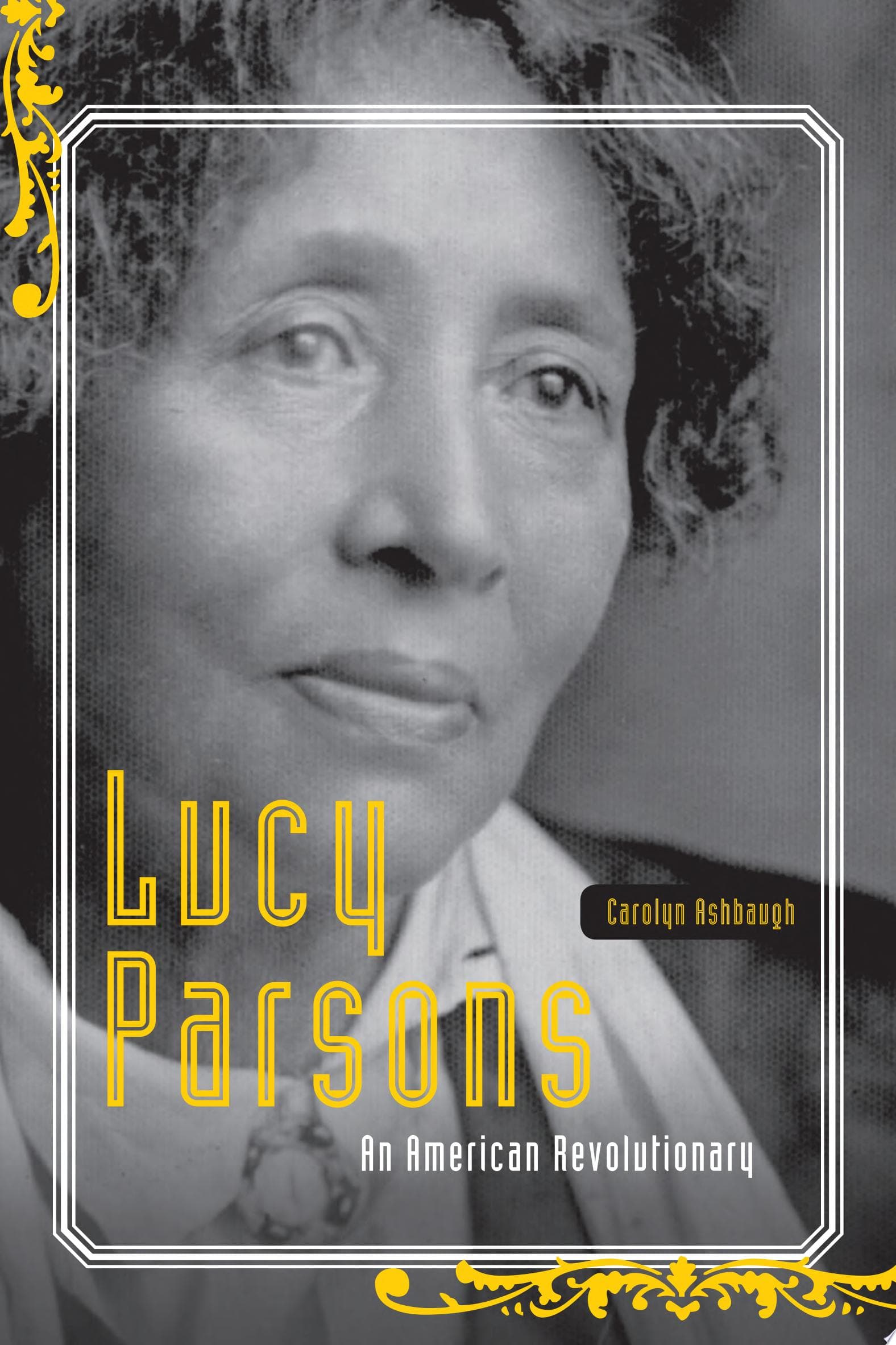
Carolyn Ashbaugh