354 books available
Rosemary L. Caldicott
Mat Callahan & Yvonne Moore
Straight edge--hardcore punk's drug-free offshoot--has thrived as a subculture since the early 1980s. Its influence has reached far beyond musical genres and subcultural divides. Today it is more diverse and richly complex than ever, and in the past decade alcohol and drug use have become a much-discussed issue in radical politics, not least due to the hard work, dedication, and commitment to social and environmental justice found among straight-edge activists. X: Straight Edge and Radical Sobriety is Gabriel Kuhn's highly anticipated follow-up to his critically acclaimed Sober Living for the Revolution. Extensively illustrated and combining original interviews and essays with manifestos and reprints from zines and pamphlets, X is a vital portrait of the wide spectrum of people who define straight edge culture today. In the sprawling scope of this book, the notion of straight edge as a bastion of white, middle-class, cis males is confronted and challenged. X takes a piercing look at religion, identity, feminism, aesthetics, harm reduction, and much more. It is both a call to action and an elaborate redefinition of straight edge and radical sobriety.
Chaz Bufe
Godless is a compilation of wide-ranging texts, both hilarious and horrifying, on atheism, belief, and religion. The selections in the book appeared in various formats from the late nineteenth century through the early twenty-first, and their authors were often active in the anarchist, Marxist, or radical leftist movements of their day. Derived from printed pamphlets, periodicals, and newspaper pieces that were mass-produced and widely distributed, these texts serve as freethinking propaganda in a media war against morbid authoritarian doctrines. With both a sophisticated analysis of inconsistencies in deistic beliefs and a biting satirical edge, Godless gives ammunition to those fighting fundamentalist bigotry--and more than a few reasons to abandon Christianity. Readers previously familiar with the authors' political polemics will be rewarded in contemplating another side of their remarkable literary output. Contributors include Emma Goldman, Ambrose Bierce, Chaz Bufe, E. Haldeman-Julius, Earl Lee, G. Richard Bozarth, Johann Most, Joseph McCabe, Matilda Gage, Pamela Sutter, S.C. Hitchcock, and Sébastien Faure.
Maurice Brinton
Jeremy Brecher
Involving nationwide general strikes, the seizure of vast industrial establishments, nonviolent direct action on a massive scale, and armed battles with artillery and tanks, this exciting hidden history is told from the point of view of the rank-and-file workers who lived it. This fiftieth anniversary edition brings the story up to date with chapters covering the "mini-revolts of the 21st century," including Occupy Wall Street and the Fight for Fifteen, and concludes by examining a wide range of current struggles, ranging from #BlackLivesMatter to the global "Student Strike for Climate" that may be harbingers of mass strikes to come.
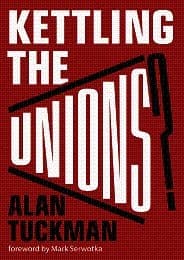
Alan Tuckman
Ben Tippet
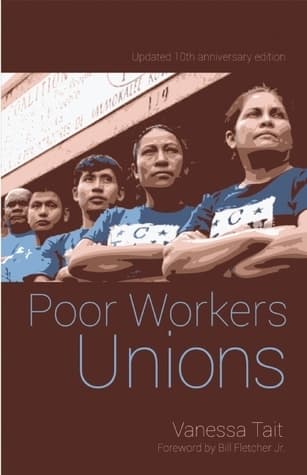
Vanessa Tait
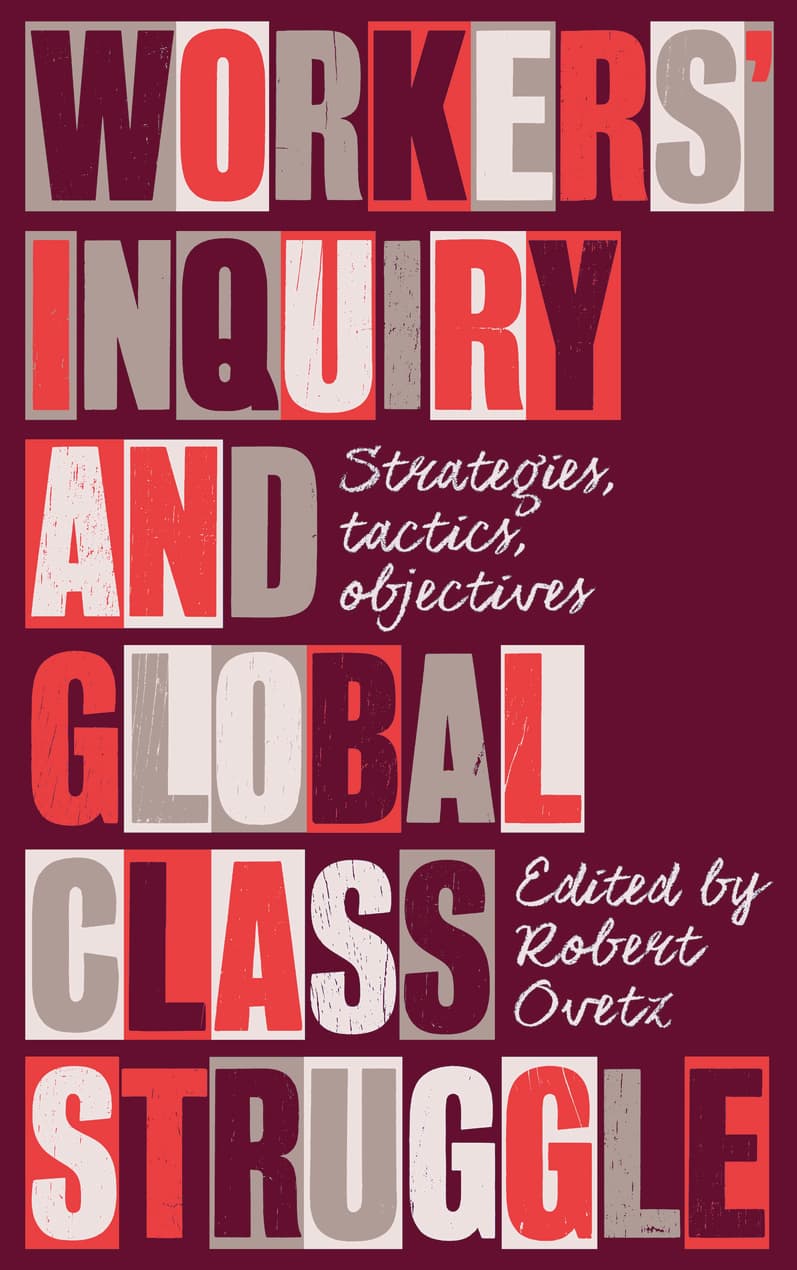
Robert Ovetz (ed)
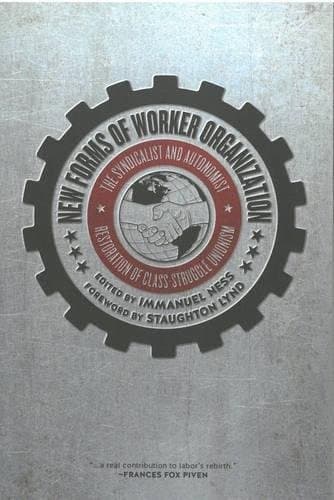
Immanuel Ness
Bureaucratic labour unions are under assault throughout the world. Most unions have surrendered the achievements of the mid-20th century, when the working class was a militant force for change throughout the world. The decline of labour unions has exposed workers throughout the world to capitalist absolutism, and now many workers are rejecting leaders and forming unions rooted in direct action. This is the first book to compile workers struggles on a global basis, examining the formation and expansion of radical unions in the Global South and Global North.
Arthur J. Miller
Arthur J. Miller's essays, stories really, are firsthand accounts of a working person's life, in his own words, uncensored and unapologetic. For Arthur, expressing his thoughts in print is a form of direct action, an attempt to reclaim a piece of the history and culture of working people, so often presented by so-called authorities on labour. These stories will resonate with readers who will find currents of their own experiences.
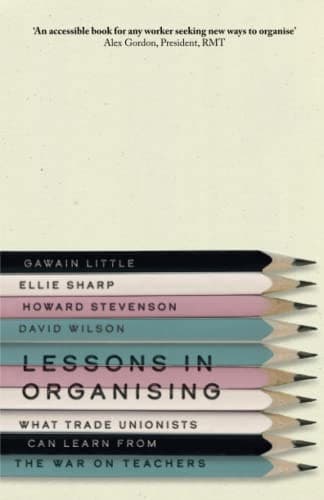
Little, Sharp, Stevenson, Wilson
A vital work on labor movement strategy by experienced union activists The heart of any trade union is its reps and activists organizing in the workplace. After years of membership decline across sectors, a renewed recognition of this essential fact is behind the 'turn to organizing' in the union movement today. This turn to collective organizing builds strength at a local as well as a national level, and also aids in mobilizing around a wider range of political issues from campaigning against austerity to taking action for the environment. In recent years, this fusion of workplace organizing and national campaigning has been exemplified by Europe's largest education trade union, the National Education Union (NEU). In Lessons in Organising, the authors bring together activist, academic and union official perspectives to assess the potential (and the limitations) of the 'turn to organizing' and set out the case for a new transformative trade unionism for the 21st century.
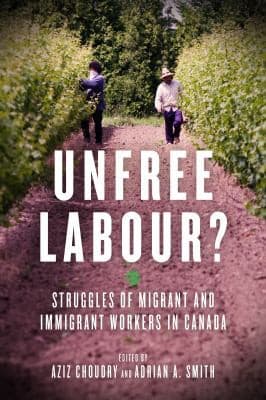
Aziz Choudry & Adrian A. Smith (eds)
Explores labour migration to Canada and how public policies of worker programs function in the context of work and capitalist restructuring. Over the past decade, Canada has experienced considerable growth in labour migration. Moreover, temporary labour migration has replaced permanent immigration as the primary means by which people enter Canada. This book explores labour migration to Canada and how public policies of temporary and guest worker programs function in the global context of work and capitalist restructuring.
Dave Wise & Stuart Wise
Charles Umney
Social class remains a fundamental presence in British life in the twenty-first century. It is woven into the very fabric of social and political discourse, undiminished by the end of mass industry; unaugmented despite the ascendancy of 'ordinary working people' and other substitute phrases. Absent from this landscape, however, is any compelling Marxist expression or analysis of class.In Class Matters, Charles Umney brings Marxist analysis out of the 19th century textiles mill, and into the call centres, office blocks and fast food chains of modern Britain. He shows how core Marxist concepts are vital to understanding increasing pay inequality, decreasing job security, increasing routinisation and managerial control of the labour process.Providing a critical analysis of competing perspectives, Umney argues that class must be understood as a dynamic and exploitative process integral to capitalism - rather than a descriptive categorisation - in order for us to better understand the gains capital has made at the expense of labour over the last four decades.
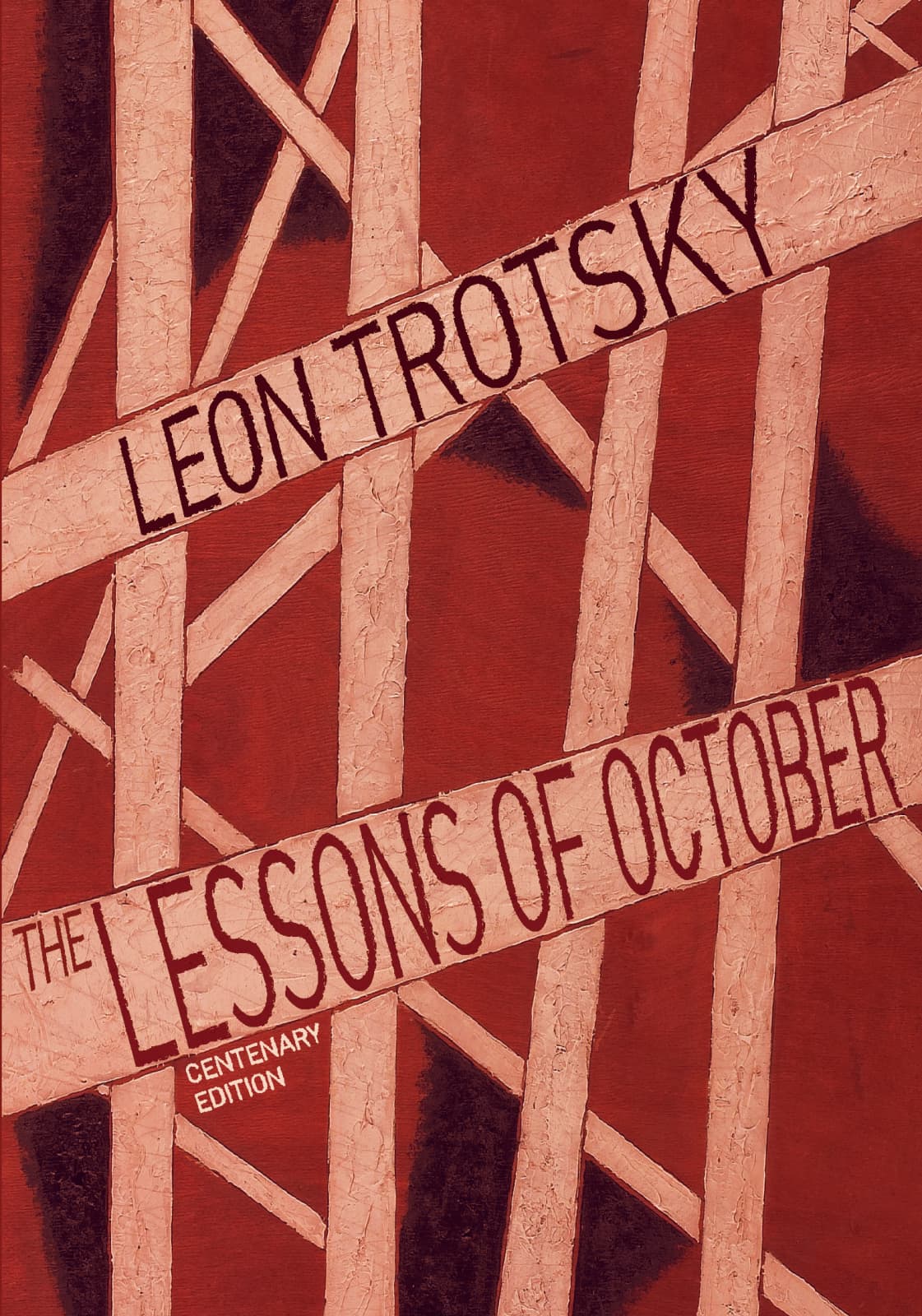
Leon Trotsky
An critical examination of the key actors and larger social movements that led to the rise of the Bolsheviks.
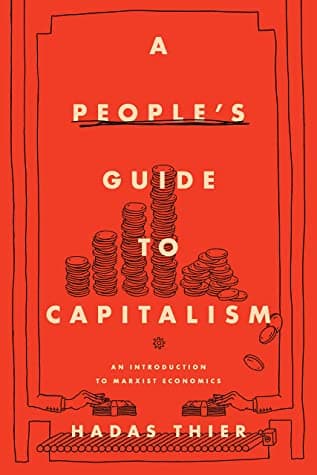
Hadas Their
A lively, accessible, and timely guide to Capitalism for those who want to understand and dismantle the world of the 1%
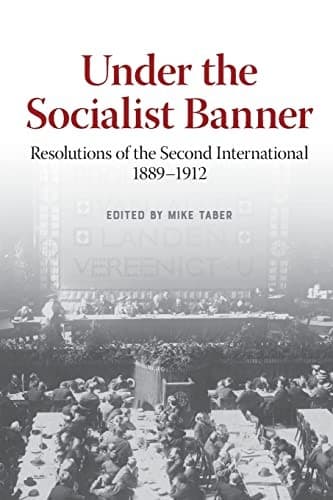
Mike Taber (ed)
A collection of all the resolutions adopted by Second International congresses during the movement's revolutionary Marxist period of 1889-1912.
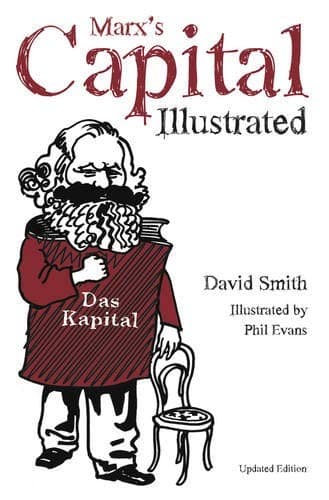
David Smith & Phil Evans
""[Marx's Kapital: An Illustrated Introduction is] valuable and in some respects more so than all the interpretations and popularizations I have read."-- C.L.R. JamesRichly illustrated, strikingly accessible, and surprisingly comprehensive, David N. Smith and Phil Evans present Karl Marx's Capital as it was meant to be: in graphic novel form."--
Paul Mattick
Communism aims at putting working people in charge of their lives. A multiplicity of Councils, rather than a big state bureaucracy is needed to empower working people and to focus control over society. Mattick develops a theory of a council communism through his survey of the history of the left in Germany and Russia. He challenges Bolshevik politics: especially their perspectives on questions of Party and Class, and the role of Trade Unions. Mattick argues that a The revolutions which succeeded, first of all, in Russia and China, were not proletarian revolutions in the Marxist sense, leading to the a association of free and equal producersa, but state-capitalist revolutions, which were objectively unable to issue into socialism. Marxism served here as a mere ideology to justify the rise of modified capitalist systems, which were no longer determined by market competition but controlled by way of the authoritarian state. Based on the peasantry, but designed with accelerated industrialisation to create an industrial proletariat, they were ready to abolish the traditional bourgeoisie but not capital as a social relationship.This type of capitalism had not been foreseen by Marx and the early Marxists, even though they advocated the capture of state-power to overthrow the bourgeoisie a but only in order to abolish the state itself.a
Henryk Grossman. Ian Birchill, Rick Kuhn & Einde O'Callaghan (trans). Rick Kuhn (ed)
Henryk Grossman's substantial essays highlight vital but still neglected aspects of Marx's economic theory
Chris Harman
We've been told for years that the capitalist free market is a self-correcting perpetual growth machine in which sellers always find buyers, precluding any major crisis in the system. Then the credit crunch of August 2007 turned into the great crash of September–October 2008, leading one apologist for the system, Willem Buiter, to write of "the end of capitalism as we knew it." As the crisis unfolded, the world witnessed the way in which the runaway speculation of the "shadow" banking system wreaked havoc on world markets, leaving real human devastation in its wake. Faced with the financial crisis, some economic commentators began to talk of "zombie banks"–financial institutions that were in an "undead state" and incapable of fulfilling any positive function but a threat to everything else. What they do not realize is that twenty-first century capitalism as a whole is a zombie system, seemingly dead when it comes to achieving human goals.
Neil Harding
Caricatured as a superhuman idol in the former Communist states, the Russian revolutionary socialist V. I. Lenin has long been reversely caricatured in the West as an authoritarian elitist. In this brilliant, carefully researched analysis, Neil Harding upends these traditional Cold War interpretations of Lenin's thought and activity. Harding shows how Lenin's flexible and continuously changing theoretical, strategic, and tactical insights were firmly grounded in the emancipatory potential for working-class revolution in Russia and around the world. Neil Harding is an internationally renowned scholar of Soviet history.
Vladimir I. Lenin, Nikolai Ivanovich Bukharin
The two founding texts of the analysis of capitalism and imperialism in one volume, with annotation.