354 books available
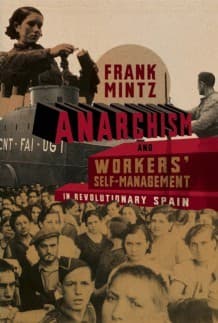
Frank Mintz. Paul Sharkey (trans)
An exposition of the logic, organization, and economics of workers' self-management during the Spanish Revolution.
Cindy Milstein
An accessible and thorough overview of anarchist figures and tendencies in the nineteenth and twentieth centuries.
Albert Meltzer (ed)
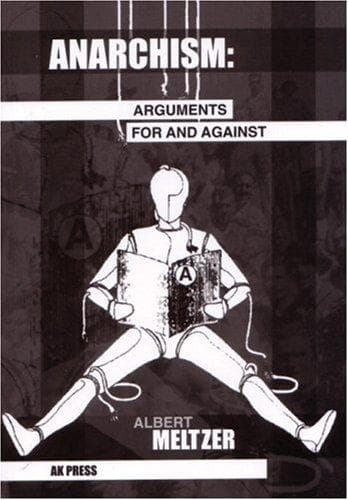
Albert Meltzer
The story of the contemporary development of anarchism as told by one of the leading figures in British anarchism.
Gregori Petrovich Maximoff
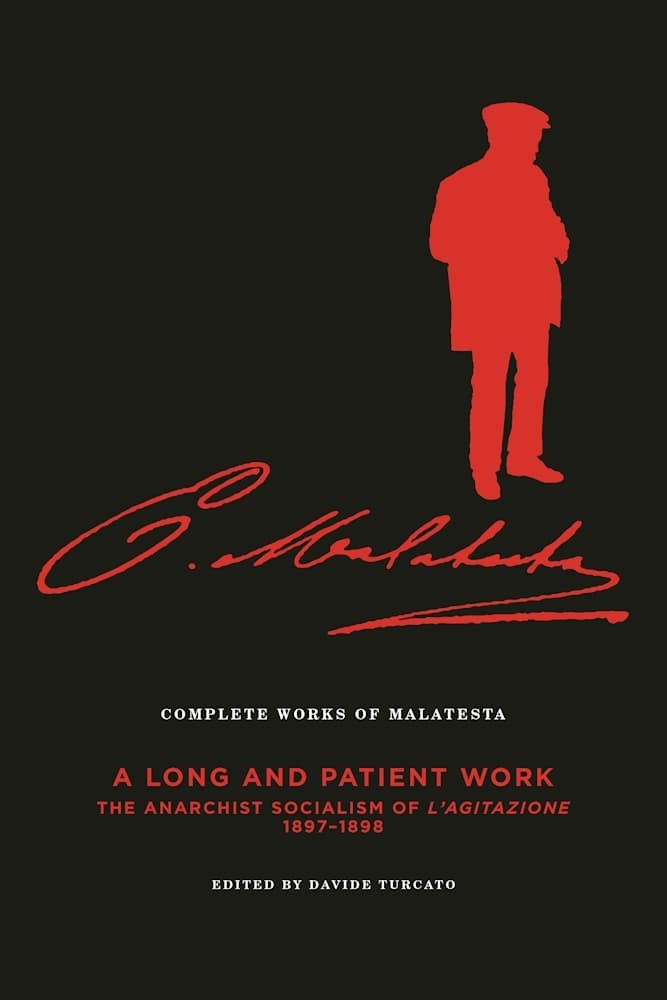
Errico Malatesta. Davide Turcato (ed). Paul Sharkey (trans)
Part of a ten-volume set of Malatesta's Complete Works. For anarchists and non-anarchists alike, Malatesta is considered to be one of the most important writers and strategists in the radical tradition. He lived and helped shape revolutionary movements in Europe, North and South America, and Northern Africa, and is thus relevant to area studies across the globe. This first volume (the third chronologically) focuses on two very important years in Malatesta's life, when he returned to Italy to edit L'Agitazione, considered the most important of his many periodicals.
Errico Malatesta
While Malatesta was hiding from the police he regularly went to a cafe in Ancona, Italy. He had shaved off his usual beard but he was still taking a risk. Especially as this wasn't an anarchist cafe, but had a variety of customers including the local policeman. The conversations he had in this cafi became the basis for the dialogues that make up this book. For the first time in English, Malatesta, in his usual commonsense and matter-of-fact style, sets out and critically analyses the arguments for and against anarchism. Translated by Paul Nursey-Bray, this is a classic defence of anarchism that anticipates the rise of nationalism, fascism and communism.
Decio Machado & Raul Zibechi
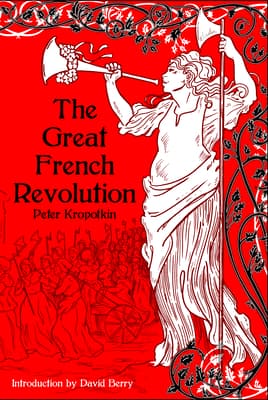
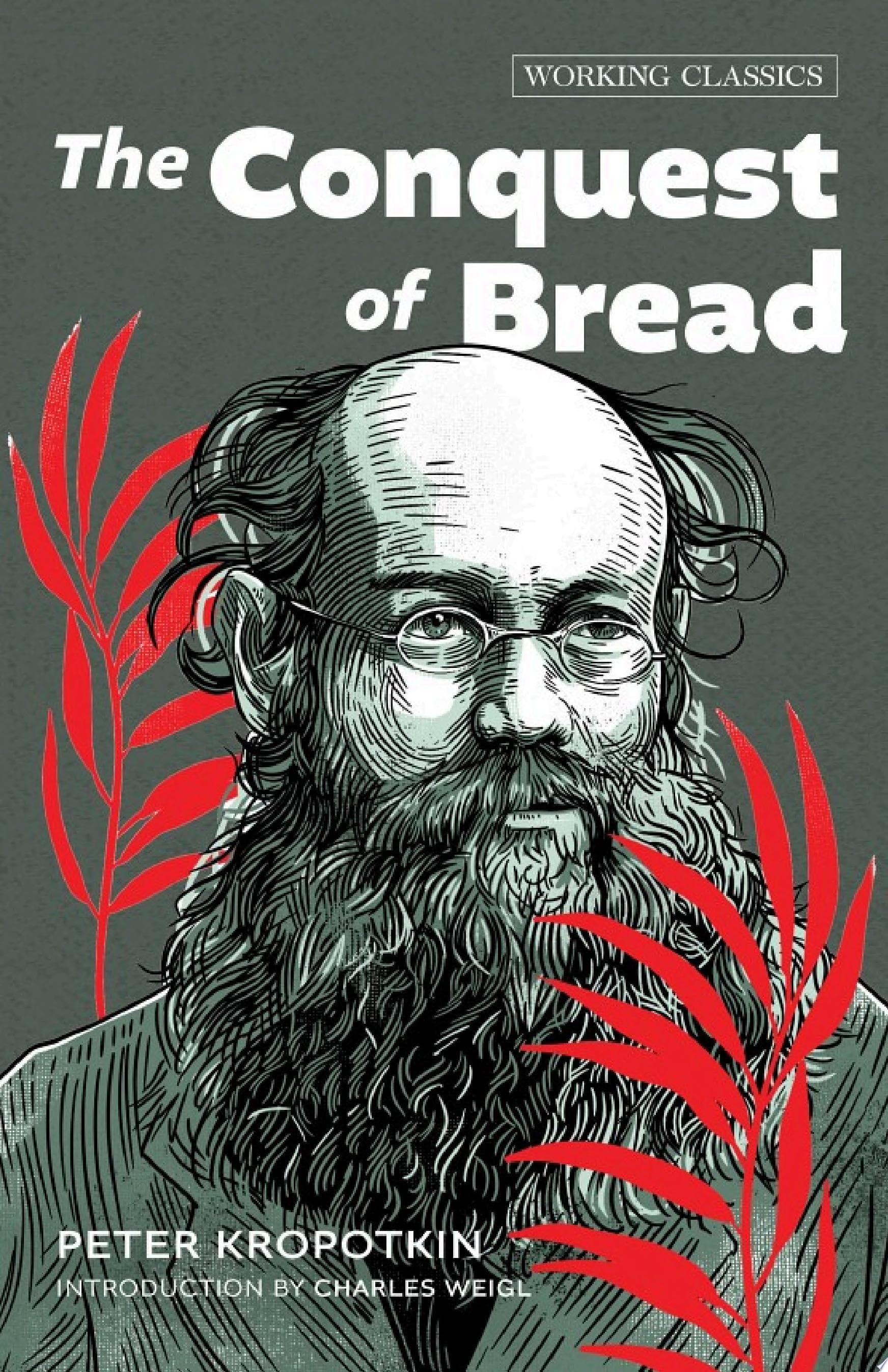
Peter Kropotkin
"This edition is based on the 1909 edition, translated by N.F. Dryhurst"--Editor's note.
A brilliant blueprint for a free society by one of anarchism's most famous theorists. The Conquest of Bread is Peter Kropotkin’s most extensive study of human needs and his outline of the most rational and equitable means of satisfying them. The most important and widely read exposition of anarchist economic theory, its combination of detailed historical analysis and far-reaching utopian vision is a step-by-step guide to social revolution: the concrete means of achieving it and the new world that humanity is capable of creating. Writing in a way that he describes as "moderate in style, but revolutionary in substance," Kropotkin adeptly translates complex ideas into common language, while rendering the often-amorphous aspirations of social movements into coherent form. Includes an introduction that historically situates and discusses the contemporary relevance of Kropotkin’s ideas. The Working Classics Series revives lineages of radical thought from the history of the anarchist movement.
Nikos Koufopoulos & Nikolas Agathos
Anthony Ince & Gerónimo Barrera de la Torre
The logic of the state has come to define social and spatial relations, embedding itself into our understanding of the world and our place in it. Anthony Ince and Gerónimo Barrera de la Torre challenge this logic as the central pivot around which knowledge and life orbit, by exposing its vulnerabilities, contradictions, and, crucially, alternatives. Society Despite the State disrupts the dominance of state-centric modes of thinking by presenting a radical political geography framework inspired by anarchist thought and practice. The book also draws on a broad range of voices that hold affinities with Western anarchism but also exceed it. The book challenges radical scholars to confront and understand the state through a gaze and set of intellectual tools that the authors have termed 'post-statism'. In de-centering the state's operational logics and rationalities, the authors incorporate a variety of threads to build a picture of an alternative way of understanding and challenging statism's effects on our spatial and political imaginations.
Martin Howard
A handy, pocket-size compendium of the now infamous anarcho-quizzes that ran, first in the pages ofBlack Flag, under the authorship of the legendary Albert Meltzer. 350 questions (plus answers, in the back!), running the gamut from “In which city was the first anarcha-feminist paper published?” to “In 1840, the Russian government provoked riots by ordering peasants to grow what?” to “Which murdering fascist did Italy commemorate in 2005 with a postage stamp?” to the ever popular trivia gem “What inspired Sylvia Pankhurst to help open a jam factory?” Agitate, educate, and organize! All in a handy quiz format!
Brian Heagney
Elías González Gómez
Emma Goldman
Alex Alder & Bill Beech (eds)
Unknown Author
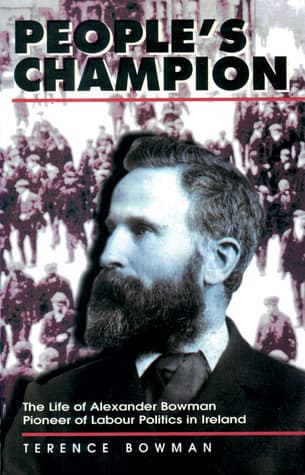
Terence Bowman
When Alexander Bowman was elected in Belfast Corporation as Labour member in Duncairn in 1897, the very idea that he would still be remembered a century later for his relentless championing of the working class cause appeared unthinkable. Yet Bowman, a near penniless flaxdresser from a humble farming background, richly deserves his place in Irish political and labour history. Twelve years earlier in 1885, following his key role in the birth of organised trade unionism in Belfast, he had been the first working-class Irishman to seek a seat at Westminister. His subsequent support for Gladstone's Home Rule bill and the Dublin parliament which he believed offered the best hope of bringing together Irish people of all persuasions, attracted much criticism. Forced to leave Belfast in 1888, he found himself immersed in the embryonic socialist movements first in Glasgow and then in London. Returning with new ideas to the Belfast trade union fold in 1895, he won the Corporation seat two years later and in 1901 was elected President of the Irish Trade Union Congress. This biography, by his journalist great-grandson Terence Bowman, pays long-overdue tribute to a labour pioneer who, at great personal cost, dedicated his life sufficiently to the welfare of the working classes to earn their, and now our, respect as a People's Champion.